-
3rd January 2010, 04:55 PM
#1
Senior Member
Veteran Hubber
Author: Virarajendra
A Brief Study on the Significance & Practices in respect of Thaali and on Happy Married Life among Tamils Couples
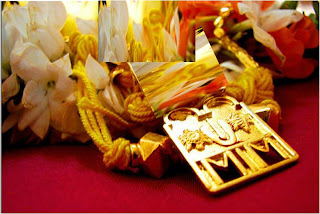
Thaali - a symbol of Marital Status
“Thaali” in (Tamil) or Mangalyam or “Mangala Sutra” in (Sanskrit) - among Tamils and Indians is a "symbol" that signifies to the World the “Bond” into which a Man and a Women have entered into - by way of love marriage or arranged marriage - with “mutual understanding” and “mutual acceptance” of each other “as they are” (Iru Manam Sernththa Thirumanam), with further promises of "loving and caring for each other" and "in being faithful to their mutual bond in married life" - “at all times” and “under all circumstances” throughout their life time, with subsequent adjustments among themselves both giving-in to each other's "ways", "values", and "likings"- that are found rightious, and in satisfying each other's natural - biological needs from time to time, and in the creation of off-springs in continuation of their generation.
Thamil Thirumana Manthiram
To be recited by the "Tamil Religious Priests" at the time of tying the "Thaali" - "around the neck of Brides by the Grooms" at the Manavarai. (Tamil Religious Priests means Tamil - Saivites, Vaishnavites, Vethiyar, Samanar, Christians, and Islamites - all those who have the current practice of tying "Thaali" at their Weddings)
மங்களம் இந்நாள் - தெய்வத் திருநோக்கால் பலரது முன்னிலை மணவறை நின்று
அவர்கள் சாட்சியாய் மணமகள் கழுத்தில் மணமகன் மூன்று முடிச்சுடன் அணிவிக்கும்
நாணோடு கூடிய மங்கள தாலி - பல்லாண்டு காலம் நிலைக்கவே
மங்களம் என்பது தாலி - இஃது மணமக்கள் தம் திருமண வாழ்வில் மனத்தாலும் உடலாலும் விருப்பொடு ஒருமித்தும் அன்றாட வாழ்வில் இருவர் தம் கற்பையும் மன ஒற்றுமையையும் என்றும் நிலை நிறுத்தும் - சின்னமாகி, அன்பும் அறனும் கூடிய இவர்கள் இல்வாழ்க்கை பண்பும் பயனும் உடைத்தாய் தென்புலத்தார், தெய்வம், விருந்து, ஒக்கல் என பலவும் ஓம்பி - பல்லாண்டு காலம் வாழ்கவே
மங்களம் மனை மாட்சி - மற்று அதன் நன்கலம் நன் மக்கட்பேறு என்று கொண்டு
குடும்பம் எனும் கோயில் சமைத்து வையத்துள் வாழ் வாங்கு வாழ்ந்து
'வழி வழி சிறக்க' மணமக்கள் - பல்லாண்டு காலம் வாழ்கவே ---------- Composed by 'Virarajendra' with words from the "Ancient Tamil Treatises the "Tholkaappiam" and "Thirukkural"
*************
{use Stereo - Headphones or Speakers}
Mahaakavi Bharathiyaar's Dream of his Kannamaa - A beautiful rendition by Sreedhar Ganapathy of the original song by the Great Singer Hari Haran
The Video/Songs on "flowering love" among Young Couples before Marriage
"Make sure of your Lover's Love towards you is very genuine" - before you leap and be cheated by him, and in many instances falling into a big mess in Life"
The Video/Songs on Young Couples "in love" long before their Marriages are fixed
Courtesy : Sony Music Vevo - You Tube
The Video/Song is on the "dreams" of an on coming "Marriage Ceremony" and on the "Love Life" thereafter among Young Couples
The Video below shows the Relatives and Friends of the Bride & Groom showering Blessings on them for a Happy Married Life
The Video below shows the Relatives and Friends of the Bride & Groom showering Blessings on them for a Happy Married Life
Tamil Film: "Pirivom Santhippom - Director Cheran" Courtesy: Karupalaniappan Youtube
The Videos below are Songs on the Love Life of Young Couples after their Marriage
http://download.tamiltunes.com/songs...vaj,reshmi.mp3 "Aayirum Aandukal" Song by Bharatwaj & Reshmi
*************
In TamilNadu the earliest forms of "Thaali" was a piece of Ka-rhi Manjal (not Kasturi Manjal), tied with a piece of Manjal Kayiru (a white string applied with Ka-rhi Manjal paste).
Subsequently the “Ka-rhi Manjal piece – Thaali” was replaced by a “small pendent type Gold – Thaali” inscribed with religious symbols, hanging from the same Manjal Kayiru.
To those who could afford, the Manjal Kayiru too became a Gold Kayiru known as Kodi. Since the Gold Thaali was hung from the Gold Kodi it was also known as the “Thaalikkodi.”
However whether it is a Manjal piece Thaali or a Gold Thaali - in a Manjal Kayiru, or a Gold Thaali - in a Gold Kodi - socially Thaali avoids the unwanted glances, unwanted moves and unwanted remarks by the 'other unscrupulous men' at Married Women wearing them. According to Tamil traditions the Thaali alerts all men to 'respect and give much dignity' to the women who wears them.
Present unfortunate Practices in respect of Thaali
Today we observe a new trend among "some" Tamil Women especially those wearing gold Thaali with gold Kodi, to keep them in the Bank Vaults and be without them while going to work or on their normal social visits to their Friends and Relatives.
Only when they have to attend special functions such as Weddings of others etc, they take them from their Bank Vaults, wear for the occasion and then keep them back again in their Bank Vaults.
But the agony of the whole issue is that there are some young Women who remove the Thaali "just within very few days" after their Wedding and keep them in the Bank Vaults.
This 'nullifies the very significance of the Thaali' and reverence with which they were tied by the Men around the neck of their 'to be Wives' - even after the couples have mutually consented and accepted each other whole heartedly before their marriage - at the Religious Rituals witnessed by many of their Family Members, Relatives & Friends, conducted on the grand occasion of their “Ceremonial Wedding Function” incurring much financial expenses.
Forced tying of Thaali by Men on Women
But a "Thaali" tied "by force" by a Man on his own - on a Woman without her or her Parent’s whole hearted consent and acceptance - should not be given its "Symbolic Reverence of Matrimony", but just thrown away into the “dustbin”.
A woman should not think such "Thaali" tied forcibly around her neck has put an end to her bright happy life she dreamt, and that it is a “padlock” set on her to be bound to a totally unaccepted man of her life - entirely against her or her Parent’s wishes and that her dream world has come to an end, but break the ‘padlock’ by throwing away the "Thaali" and declare herself free, unless she is legally engaged to him, in which case she has to free herself by way of legal procedures.
Authorities assumed by the Husbands, Wifes & In-Laws on the strength of the Thaali
It is to be noted that Thaalikkodi is not a "symbol" that gives "authority" to the Husbands to hurt their Wives mentally and physically, illtreat and abuse them, to the vims and fancies that pleases these Husbands, suppressing the freedom of acts and even the speech - of their Wives" as seen in many Tamil Families.
Also the Thaalikkodi tied by the Husband around their Wife's neck doesnot provide any privilege or authority to the Husband's Mother or Sisters - to control, enslave, harrass, order, or physically or mentally hurt his Wife as seen in some Tamil Families of date.
The Thaalikkodi tied around the Wife's neck "doesnot give any authority" to the Husband's - Mother and Father from "restraining"(bullying) the Daughter-in-Law from going to see her Parents, stating that once married she must always think in terms of the "Puhuntha Veedu" and not the "Pirantha Veedu", and her Parents too from visiting frequently the In-Law's place to see their Daughter. (This is an acute social problem always met in Koottu Kudumbams in Tamil Families).
However in the modern days it is 'much advisable' for the Parents of Brides to visit their Daughters very frequently in the first year of marriage - whether the Couples are staying on their own or with the Groom's Parents - either with 'goodwil' or 'by force' (in instances where some Grooms or their Parents {Sammanthis} resists the frequent visits of the Bride's parents to see their Daughters) - to ensure the Couples have adjusted among themselves in their 'ways' and 'values' leading to a happy Married Life.
This is essential especially in these days to prevent "some" of the prospective Grooms who have gone far beyond the traditional norms of rightious life before marriage - addicted to drugs, hard drinks, womanising, suspicious minded, depressed minded or mere psycos who have successfully married their Brides in connivance with their own Parents hiding their true face and faults - from harrassing and ill-treating the Brides - after marriage on these issues as well as the dowry and money issues - especially the ones "with no strong mind" to battle themselves against the "evils and misery" under these unscruplus Grooms, suffering in silence to themselves with much tension, misery and mental trauma.
In this modern age it is much recommended for the Husband and Wife to 'plan to stay seperately on their own' immediately after their marriage - where the Husband and Wife have the freedom in visiting their repective Parents whenever they wish, and the both side Parents too could freely visit their daughter's or son's residence with no restrictions from either side "Sammanthi" (In-Laws), and be entertained very well equally.
Equally the Wedlock with the tying of the Thaali doesnot provide any authority to the "Husband or Wife" too - among themselves to restrict each other's desire to visit their respective Parents whenever they so desire. It should be noted that how important his Parents become to the Husband, so is of 'great importance' her Parents become to the Wife. The Husband's and Wife's love especially for their 'respective Mothers' are very much fused in their blood - and 'each other' should not try to break this love. This is reflected in the YouTube below.
{use Stereo - Headphones or Speakers}
Also the "Thaali" tied by the Husband around the Wife's neck doesnot give any power or authority to the Wife - to dominate, illtreat or be harsh to her Husband's Father, Mother, Brothers and Sisters to her own vims and fancies or on the 'unethical advices' given by others, and prevent her Husband from mingling as before with his own Family Members and helping them at their hour of need. "This also applies vice-versa to the Husband".
Mutual adjustments among newly Married Couples are vital for Happy and Successful marriage
Be it a Love Marriage or an Arranged Marriage the indifferences among the Young Couples always crop up within the first year of their Marriage, as each of them is a "different personality" brought up by Parents of different social status and nurtured in different social environments having different social values of life. Hence it is very essential that after their Marriage there be subsequent adjustments among themselves - by "both giving in to each other's "ways" "values" and "likings" - that are found rightious - dropping off each others's ego" to make up a happy, successful, and lasting marriage.
The other truths of Married Life are also portrayed in the Videos below.
மங்களம் மனை மாட்சி - மற்று அதன் நன்கலம் நன் மக்கட்பேறு என்று கொண்டு
குடும்பம் எனும் கோயில் சமைத்து வையத்துள் வாழ் வாங்கு வாழ்ந்து
'வழி வழி சிறக்க' மணமக்கள் - பல்லாண்டு காலம் வாழ்கவே
Newly wedded Husbands should not neglect their "Love" and "Intimacy" towards their newly wedded Wives - and vice-versa
".....மணமக்கள் தம் திருமண வாழ்வில் மனத்தாலும் உடலாலும் விருப்பொடு ஒருமித்தும் அன்றாட வாழ்வில் இருவர் தம் கற்பையும் மன ஒற்றுமையையும் என்றும் நிலை நிறுத்தி - , அன்பும் அறனும் கூடிய இவர்கள் இல்வாழ்க்கை பண்பும் பயனும் உடைத்தாய் (amaiyavendum)......"
{use Stereo - Headphones or Speakers}
Disposal of Thaali at the time of Divorce & Death of the Husband
Once a Husband and a Wife are legally “divorced” under any circumstances, the Thaali should be rightly be given back to her ex-Husband.
If the Thaali is with the Wife after divorce, it keeps on reminding her of the past - miserable days and unhappy events - with her ex-Husband, and make her remain very heartbroken, without her accepting the reality and forgeting the past, and forging a new and a happy life for herself.
Also it is a sense of pride to a women to reject the "Symbol" of her matrimony and send it back to her ex-husband, when she herself is rejected by him for ever, and legally divorced
Sorrow of Seperation
A beautiful and melodius Song by Suchitra Karthik Courtesy: Muhammad Shiyas - Youtube
If the Husband in a Family dies it is customory that the Wife removes the Thaali “on her own” at the Funeral Ceremony and kept on the dead body of the Husband as a mark of respect to him who tied the Thaali on her, and later taken and kept in the safe custody of herself. The Nasty “Village Practices” in some areas of Tamil Nadu where the Female Relatives forcibly plucking the Thaali from the Wives neck and breaking of the Bangles should be done away with in these modern days.
If the Husband in a “united happy family” dies, there are some traditions still prevailing, that the Wife does not sell out the Thaali, but melt same and make a ring, chain etc and hand it over to their daughter or son, to ensure the core of the "Symbol" of their love to each other and happy married life for years, should not go into the others hands, but be within the family.
Trust the foregoing will kindle the thinking of many on the significance of the Thaali.
Some advises from the great Tamil Sage/Poet Thiruvalluvar of the Third Sangam period Thamil Nadu jn his treatise on the Code of Ethics namely the "Thirukkural", to Married Couples on "Home Life" and on "Life Partner" is as below:
இல்வாழ்க்கை
இல்வாழ்வான் என்பான் இயல்புடைய மூவர்க்கும்
நல்லாற்றின் நின்ற துணை. 41
துறந்தார்க்கும் துவ்வாதவர்க்கும் இறந்தார்க்கும்
இல்வாழ்வான் என்பான் துணை. 42
தென்புலத்தார் தெய்வம் விருந்தொக்கல் தானென்றாங்கு
ஐம்புலத்தாறு ஓம்பல் தலை. 43
பழியஞ்சிப் பாத்தூண் உடைத்தாயின் வாழ்க்கை
வழியெஞ்சல் எஞ்ஞான்றும் இல். 44
அன்பும் அறனும் உடைத்தாயின் இல்வாழ்க்கை
பண்பும் பயனும் அது. 45
அறத்தாற்றின் இல்வாழ்க்கை ஆற்றின் புறத்தாற்றில்
போஒய்ப் பெறுவ தெவன்? 46
இயல்பினான் இல்வாழ்க்கை வாழ்பவன் என்பான்
முயல்வாருள் எல்லாம் தலை. 47
ஆற்றின் ஒழுக் கி அறனிழுக்கா இல்வாழ் க்கை
நோற்பாரின் நோன்மை உடைத்து. 48
அறன் எனப் பட்டதே இல்வாழ்க்கை அஃதும்
பிறன்பழிப்ப தில்லாயின் நன்று. 49
வையத்துள் வாழ்வாங்கு வாழ்பவன் வான்உநற்யும்
தெய்வத்துள் வைக்கப் படும். 50
வாழ்க்கைத் துணைநலம்
மனைக்தக்க மாண்புடையள் ஆகித்தற் கொண்டான்
வளத்தக்காள் வாழ்க்கைத் துணை. 51
மனைமாட்சி இல்லாள்கண் இல்லாயின் வாழ்க்கை
எனைமாட்சித் தாயினும் இல். 52
இல்லதென் இல்லவள் மாண்பானால் உள்ளதென்
இல்லவள் மாணாக் கடை? 53
பெண்ணின் பெருந்தக்க யாவுள கற்பென்னும்
திண்மைஉண் டாகப் பெறின். 54
தெய்வம் தொழாஅள் கொழுநன் தொழுதெழுவாள்
பெய்யெனப் பெய்பு ம் மழை. 55
தற்காத்துத் தற்கொண்டாற் பேணித் தகைசான்ற
சொற்காத்துச் சோர்விலாள் பெண். 56
சிறைகாக்கும் காப்பெவன் செய்யும் மகளிர்
நிறைகாக்கும் காப்பே தலை. 57
பெற்றாற் பெறின்பெறுவர் பெண்டிர் பெருஞ்சிறப்புப்
புத்தேளிர் வாழும் உலகு. 58
புகழ்புரிந்த இல்லிலோர்க்கு இல்லை இகழ்வார்முன்
ஏறுபோல் பீடு நடை. 59
மங்கலம் என்ப மனைமாட்சி மற்று அதன்
நன்கலம் நன்மக்கட் பேறு.
The Husbands should respect their Wives and not treat them as Slaves. Every Female Child should be looked at and treated - as equally precious as a Male Child by the Parents
Thirumana Vaalvil "Pen endrume Adimai Illai"
Tamil Film: "Pen Adimai Illai" Courtesy: Visagaar Tamil - Youtube
------------------------------------------------------------------------------------
Addenda - Latest addition:-
The following write-up by V. Sundarrajan is added to my above Article as Addenda with much courtesy to the Writer, as that too throws much light on the life of women after marriage.
WOMAN.....
● changes her name
● changes her home
● leaves her family
● moves in with you
● builds a home with you
● gets pregnant for you
● pregnancy changes her body
● she gets fat
● almost gives up in the labor room due to the unbearable pain of child birth
● even the kids she delivers bear your name
Till the day she dies... everything she does... cooking, cleaning your house, taking care of your parents, bringing up your children, earning, advising you, ensuring you can be relaxed, maintaining all family relations, everything that benefit you..... sometimes at the cost of her own health, hobbies and beauty.
So who is really doing whom a favor?
Dear men, appreciate the women in your lives always, because it is not easy to be a woman.
*Being a woman is priceless*
Happy women's week!
Pass this to every woman in your contact to make her feel proud of herself.
Rock the world ladies!
A salute to ladies!
WOMAN MEANS :-
W ➖ WONDERFUL MOTHER
O ➖ OUTSTANDING FRIEND
M ➖ MARVELOUS DAUGHTER
A ➖ ADORABLE SISTER
N ➖ NICEST GIFT TO MEN FROM GOD
Pass to every man to know the value of women
&
Pass to every woman to feel proud!
Bless you!
V. Sundarrajan
Last edited by virarajendra; 12th November 2017 at 10:14 PM.
-
3rd January 2010 04:55 PM
# ADS
Circuit advertisement

-
3rd January 2010, 05:59 PM
#2
Administrator
Platinum Hubber

Great job, but why brief? 
Never argue with a fool or he will drag you down to his level and beat you at it through sheer experience!
-
3rd January 2010, 07:43 PM
#3
Senior Member
Platinum Hubber

-
3rd January 2010, 09:24 PM
#4
Senior Member
Veteran Hubber
Thanks for whoever who has inserted the colour photo in my thread, which was kept open by me for the further editing. Is it Mr NOV ????
-
4th January 2010, 05:48 AM
#5
Administrator
Platinum Hubber
Yes it is, Mr. Virarajendra
Pls go ahead and edit as you deem fit.
Never argue with a fool or he will drag you down to his level and beat you at it through sheer experience!
-
4th January 2010, 08:10 AM
#6
Senior Member
Seasoned Hubber
I love the post, VR.
I suppose I am quite old fashinoned - i love the thaalikodi and don't believe in removing it and putting it on for occasions but i know of people who do even after 20 years of marriage . My mom wore it on manjal jayiru but she got allergic to the manjal and changed it to kodi. I did too as I am allergic to manjal but am contented with what i have now...
-
4th January 2010, 08:17 AM
#7
Senior Member
Platinum Hubber
Allergy to manjaL is understandable- a couple of my close relatives are also allergic to it. But 'allergy' to the concept of wearing thaali is ununderstandable to me! 
Eager to watch the trends of the world & to nurture in the youth who carry the future world on their shoulders a right sense of values.
-
4th January 2010, 08:19 AM
#8
Senior Member
Seasoned Hubber
-
4th January 2010, 08:23 AM
#9
Moderator
Platinum Hubber


Originally Posted by
pavalamani pragasam
Allergy to manjaL is understandable- a couple of my close relatives are also allergic to it. But 'allergy' to the concept of wearing thaali is ununderstandable to me!
மூவா? முதல்வா! இனியெம்மைச் சோரேலே
-
4th January 2010, 08:47 AM
#10
Senior Member
Veteran Hubber
Originally Posted by
NM
and changed it to kodi. I did too as I am allergic to manjal but am contented with what i have now...
You should go for platinum kodi ! 
" I think there is a world market for may be five computers". IBM Chairman Thomas Watson in 1943.



 Reply With Quote


 )
)
Bookmarks